
Public automated external defibrillator
Turns on with a button or lid, talks you through pad placement, checks the rhythm, and only advises a shock when appropriate.
What should I do in an emergency?
If you are not sure where to start, choose the closest match below. You will find simple bystander steps, useful videos, and photos of tools like AEDs, NARCAN, epinephrine auto-injectors, and bleeding kits.
In a true emergency, dial 911 from your phone and follow the dispatcher.
Choose a situation
Choose the card that is closest to what is happening. The steps are for bystanders waiting for EMS. If the dispatcher tells you something different, follow the dispatcher.
What the tools look like
These photos can help you recognize the equipment. Brands and designs vary, so read the label and follow the device prompts or dispatcher instructions.
Turns on with a button or lid, talks you through pad placement, checks the rhythm, and only advises a shock when appropriate.

Often found near gyms, schools, airports, town offices, marinas, and workplaces. Send a specific person to retrieve it.

Used by trained EMS and hospital teams. It can monitor heart rhythm, pace, cardiovert, and defibrillate in manual or AED modes.

Pad pictures show where they go. Adult pads are common; child pads or a child key may be included for smaller children.

Single-use spray for suspected opioid overdose. Give it, call 911, support breathing, and be ready for another dose if needed.

Used for severe allergic reaction. Presses into the outer thigh according to the device label, then the person still needs EMS.

Sometimes used for suspected heart attack after 911 is called, but only when safe and recommended by a dispatcher or clinician.

Usually includes gloves, gauze, pressure dressings, trauma shears, and sometimes a tourniquet for life-threatening bleeding.

For severe arm or leg bleeding that cannot be controlled quickly. Tighten until bleeding stops and do not remove it.

Creates a barrier for rescue breaths. Hands-only CPR is still helpful for adults if you do not have a barrier or are not trained.
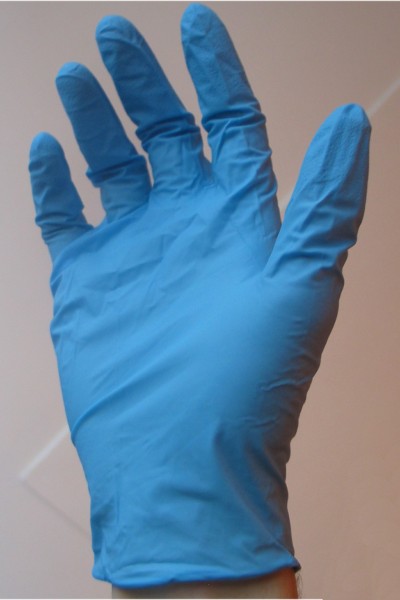
Protects you from blood and body fluids. Use them when available, but do not let searching for gloves delay 911.

Helps keep someone warm after injury, shock, water exposure, or while waiting outside for responders.
Guidance and videos
These are good references to save. Hands-on practice is still the best way to learn the skills.